
Introduction: The Power of Visual Communication in a Crowded Marketplace
In a world where digital touchpoints define first impressions, striking visual communication has become an invaluable asset—especially for businesses in the food and beverage industry. With 2026 beginning on a hopeful note after the holiday season, many brands are reevaluating what truly connects with audiences and elevates their identity above the noise. For small to medium-sized food and beverage businesses, the stakes are even higher: capturing hearts and appetites often hinges on unforgettable branding and visually compelling digital design.
At Lecker Manchmal, our experience shows that design isn’t just decoration—it’s the vessel for your story and your brand’s emotional connection to the customer. Visual communication shapes everything from the way a customer picks a bakery cafe on their lunch break to how a team collaborates in choosing the next dining destination. In this article, we’ll dive deep into innovative examples and strategies for visual communication, sharing inspiration and real-life successes from our portfolio and the wider design world.
Spotlight: Curated Examples of Innovative Visual Communication
Lecker Bäckerei: Where Visual Language Meets Appetite
When developing “Lecker Bäckerei,” we faced a central question: How can visual storytelling spark hunger and trust simultaneously? The answer lay in harmonizing authentic photography with warm color palettes and handcrafted typography, evoking the charm of artisan baking.
By curating imagery that captured texture and freshness, paired with icons reminiscent of hand-drawn chalkboard menus, we struck a balance between digital clarity and cozy authenticity. The result? Not only did customers perceive the bakery as more approachable, but conversion rates on online orders saw a significant uptick. This project illuminated the essential role of custom graphics in reflecting brand values—turning “just another bakery” into a distinctive, memorable brand.
The Lecker App: Designing for Team Collaboration and Decision-Making
Digital design shouldn’t just look good—it should facilitate action. The “Lecker App” was developed to empower teams to decide where to eat together. Here, the challenge was making an application both intuitive and visually inviting. We adopted playful, vibrant icons to represent cuisines, using a user-friendly color system to clarify options at a glance.
Subtle animations provided feedback with every tap, reinforcing a sense of fun and dynamism without overwhelming users. By integrating these visually engaging elements, the application didn’t just become easier to use—it fostered a sense of community and shared experience among colleagues. This success exemplifies how visual communication is an essential tool for encouraging collaboration, particularly in fast-paced, decision-driven contexts.
Lecker Food App: Capturing Engagement Through Color and Simplicity
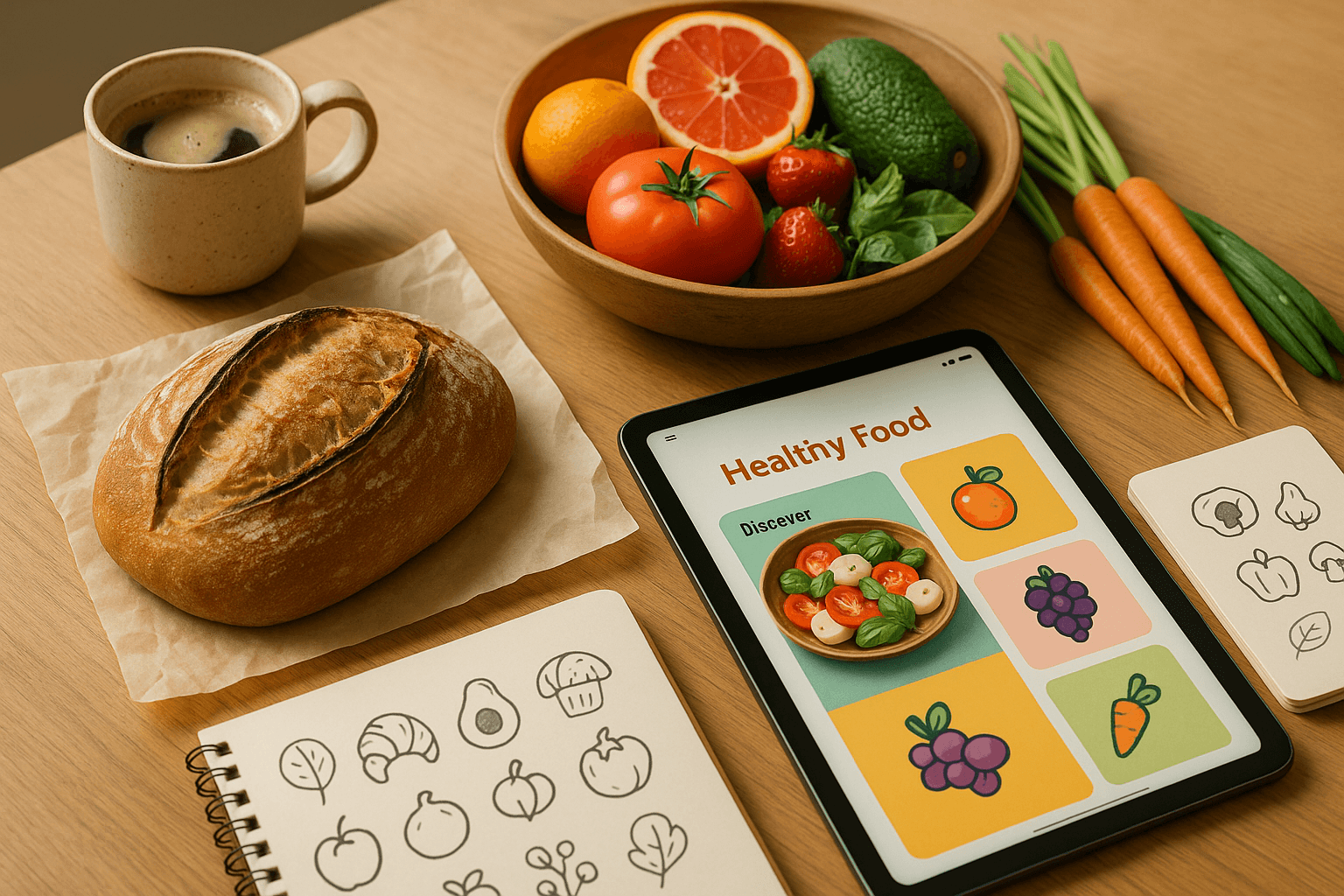
For dining apps geared toward individual consumers, visual simplicity is paramount. In our “Lecker Food App,” bold color blocking was used to create clear categories, and streamlined navigation focused attention on food imagery. The lesson: users don’t want to sift through clutter. Each section’s visual hierarchy directed users seamlessly from browsing to ordering, while carefully chosen accent colors elicited appetite appeals—proving that color psychology is as critical as layout in food and beverage design.
This approach resulted in longer session times and increased user satisfaction, demonstrating that considered visual simplicity directly impacts engagement. Optimal visual communication isn’t just about beauty—it’s about clarity and emotional resonance.
Best Practices for Visual Communication in Food and Beverage Branding
1. Ground Every Design Element in Brand Values
Consistency is king. From the fonts used on a website to the iconography in a mobile app, every detail must reinforce the brand’s story. For instance, a farm-to-table restaurant might use organic textures, warm earth tones, and handwritten fonts to signal freshness and approachability—all nonverbally communicated through design choices.
2. Leverage Imagery to Evoke Emotion
Food is a multisensory experience, but digital interaction is predominantly visual. High-quality photography, subtle overlays, and strategic use of negative space can transform a good presentation into a crave-worthy experience. Whenever possible, show, don’t just tell.
3. Prioritize Usability Without Sacrificing Character
Great visual communication should never come at the expense of functionality. Use contrast to ensure legibility, keep navigation intuitive, and guide the user’s eye naturally through calls-to-action and key sections. Remember, your design should invite exploration, not confusion.
4. Animate Purposefully
Animations—when thoughtfully applied—can guide, delight, and reassure users. From button micro-interactions to playful loading screens, movement used with intention adds personality and instant feedback. Yet restraint is vital; too much motion can become a distraction in the search for key information.
5. Stay True to Industry Trends
Visual trends in the food and beverage industry change rapidly, influenced by cultural shifts and technology. Minimalist packaging, earthy color palettes, and playful illustrations are currently shaping the landscape. Staying aware of where the industry is moving helps brands stay relevant and top-of-mind.
Visual Communication Tools and Resources for Inspiration
Whether you’re a boutique bakery or a bustling startup, investing in the right creative tools can elevate your visual communication. Our team at Lecker Manchmal uses a curated combination of:
- Figma: For collaborative design and prototyping that streamlines team feedback.
- Adobe Creative Suite: For high-quality photo editing, illustration, and layout.
- Canva: For rapid mockups and social media asset creation, perfect for small businesses.
- Unsplash and Pexels: To source free, high-resolution imagery in a pinch.
Each tool is selected for its capacity to foster creativity while enabling teams—including clients—to contribute ideas easily. By leveraging these programs, even smaller brands can access a level of polish and professionalism that used to be available only to large enterprises.
Transformative Visual Communication in Action: Industry Highlights
Trend 1: Story-Driven Visual Branding
Brands that build a visual narrative around their origins or sourcing processes—think digital timelines of bean-to-bar chocolate or behind-the-scenes bakery documentaries—see increased loyalty and engagement. When customers feel they’re a part of your journey, they’re more likely to return and share their experience.
Trend 2: Interactive Menus and Ordering Systems
As digital ordering becomes the norm, interactive and animated menu interfaces don’t just inform—they entice. Food businesses pioneering graphical, touch-friendly menus are meeting user expectations for both ease and experience.
Trend 3: Visual Cues for Sustainability
Eco-friendly brands are visually telegraphing their values via recycled textures, nature-inspired color schemes, and unobtrusive iconography. These subtle visual cues instantly align the brand with environmentally conscious consumers—without a single spoken word.
Trend 4: Mobile-First, Social-Ready Design
Scroll-stopping visuals aren’t just for websites. Instagram stories, Facebook ads, and TikTok snippets all demand cohesive and punchy design. Brands succeeding here ensure every visual asset, from logo animation to hashtagged post, aligns harmoniously—boosting recall and shareability.
Inspiration from Lecker Manchmal’s Portfolio
The diversity in Lecker Manchmal’s projects stands as a testament to the importance of tailored visual communication:
- Lecker Bäckerei is a masterclass in blending artisanal authenticity with digital convenience.
- Lecker App exemplifies how visual communication drives team engagement and decision-making.
- Lecker Food App distills the user experience down to its visual—and emotional—essence.
Each project is featured in detail at Lecker Manchmal’s Dribbble portfolio, offering a visual feast of what modern food and beverage branding can achieve.
Conclusion: Crafting Tomorrow’s Brands through Inspired Visual Design
The food and beverage landscape in 2026 is one where stories matter, competition is fierce, and attention spans are fleeting. For small and medium-sized businesses, the right visual communication strategy can be the secret ingredient—that extra something elevating your brand from familiar to unforgettable.
At Lecker Manchmal, we believe every client has a unique voice. Through innovative visual communication, we’ve helped bakeries, app startups, and industry disruptors alike build deeper connections, foster team engagement, and drive measurable business results.
Call to Action
Are you ready to transform your brand’s visual communication and create a digital experience that truly resonates? Explore our portfolio for inspiration, or reach out for a personalized consultation.
We’d love to help your story come alive—because at Lecker Manchmal, we know that remarkable design has the power to make every moment, and every message, deliciously memorable.
What’s your biggest challenge when it comes to visual communication in your food or beverage business? Tell us below!