
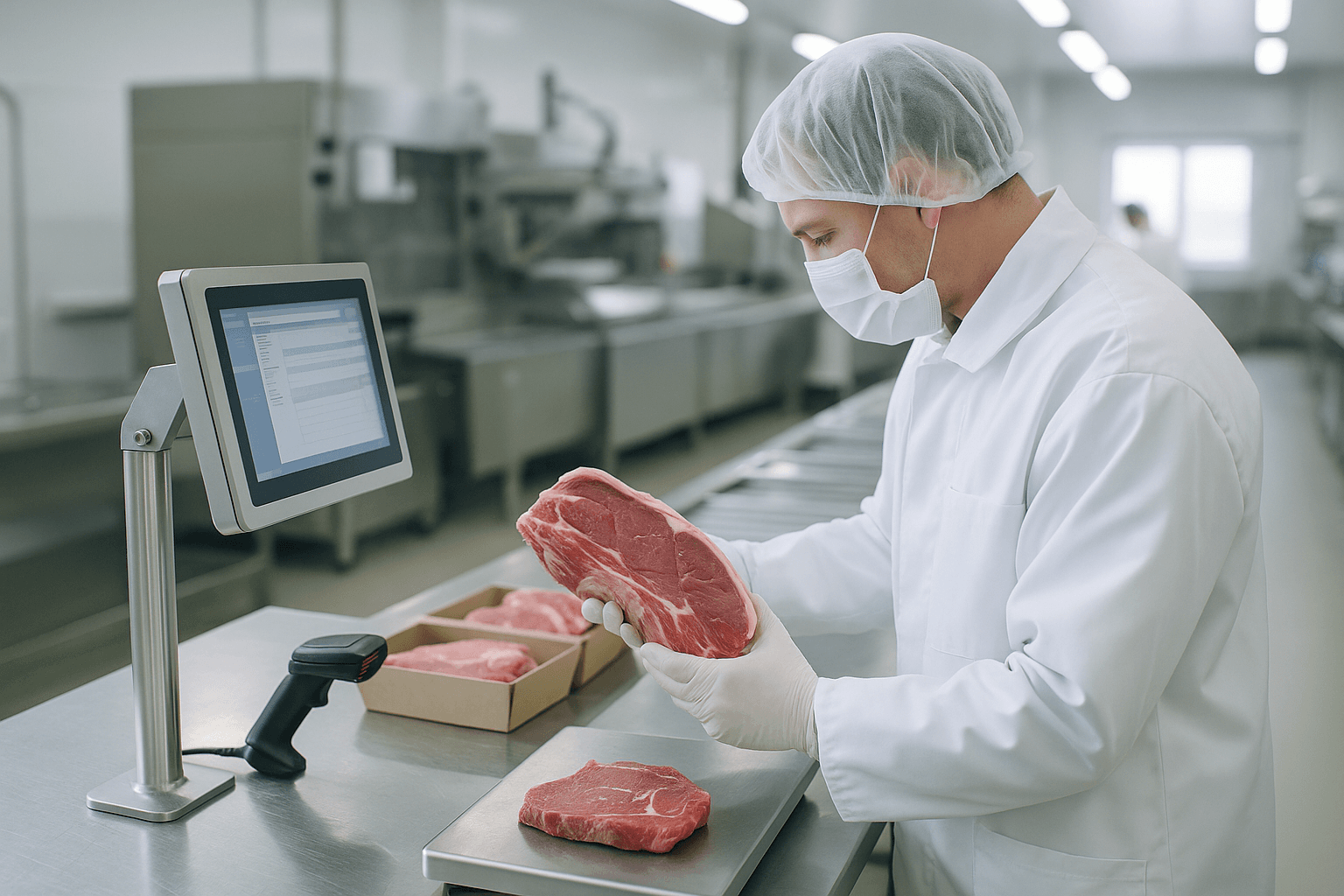
Setting the Scene: The Critical Role of Meat Processing in the Food Supply Chain
As we enter a new year, the importance of the meat processing sector within the food supply chain continues to rise. The beginning of January often marks a renewed focus on quality, efficiency, and regulatory compliance—topics that impact every link in the chain, from wholesale buyers and food distributors to retail butchers and institutional kitchen managers. For a company like Fridau, whose expertise is rooted in both the sale and processing of meat, staying on top of evolving industry standards and regulatory developments is not just a duty—it’s a commitment to ensuring safe, high-quality products reach customers reliably and sustainably.
The Ever-Changing Landscape of Meat Processing Regulations
Understanding Today’s Regulatory Environment
The meat processing industry is perhaps one of the most rigorously regulated sectors in the food world. After all, the safety of animal-based foods is a top concern for both consumers and public health authorities. In the European Union, as elsewhere globally, the legal framework governing meat processing is shaped by a complex array of food safety acts, environmental standards, animal welfare directives, and trade compliance guidelines.
2026 is already shaping up to be a pivotal year. The new EU Hygiene Package, for example, tightens requirements for traceability and cross-contamination prevention at every step in the processing pipeline. Similarly, the sustainability-focused amendments to the Farm to Fork Strategy are likely to result in stricter documentation and accountability for waste management and packaging materials.
Key Regulatory Changes Every Meat Processor Must Watch in 2026
1. Enhanced Traceability Protocols:
Digital recordkeeping is now a necessity, not a luxury. Updated EU regulations require real-time tracking of meat batches from slaughter through to the retail counter, using digital barcodes and blockchain technology. For Fridau, this means expanding its use of integrated data systems to guarantee every cut of meat can be traced back to its source.
2. New Hygiene Standards:
The pressure to uphold impeccable hygiene in meat processing facilities has grown. Revised regulations mandate more frequent sanitation cycles and the adoption of state-of-the-art disinfectant technologies. Retailers and institutional buyers should expect even higher guarantees of product safety and cleanliness than before.
3. Environmental Accountability:
Packaging choices are under the microscope. With a sharp push towards sustainability, regulations now require the majority of meat packaging to be recyclable or biodegradable by 2026. Firms caught using outdated plastic films or polystyrene trays risk penalties—and reputational damage.
4. Animal Welfare and Ethical Sourcing:
Increasingly strict controls are being enforced concerning the humane treatment of livestock. From approved slaughter methods to the documentation of animal handling in transit, oversight is expanding. Buyers and distributors aligned with these values will be well-positioned to meet new market expectations.
The Impact on Wholesale Buyers, Retailers, and Food Service Providers
How Compliance Drives Competitive Advantage
Staying compliant with evolving standards is non-negotiable. Wholesale buyers, meat distributors, grocery chains, and food service providers must now partner with suppliers who can demonstrate stringent adherence to all current regulations. Working with a processor like Fridau means assured transparency, as each product is documented and managed according to the latest rules.
This reliability is not only a matter of legal necessity—it’s a source of market differentiation. Institutional kitchens, from hospitals to schools, are increasingly required to certify the traceability and hygiene credentials of their meat suppliers. Restaurants, too, depend on these assurances to maintain trust with discerning guests.
What Retailers and Butchers Can Expect
Retailers and specialty meat shops will see additional support from processors who have invested in updated hygiene and data systems. The ability to rapidly provide traceability reports, digital hygiene logs, and sustainability certificates builds confidence with end customers and can fuel brand loyalty.
Furthermore, compliance with new packaging standards ensures retailers are ahead of future bans and fees related to non-sustainable materials, helping them stay profitable and future-ready.
Keeping Up with Industry Standards: Best Practices for 2026
Building a Culture of Continuous Regulatory Awareness
For meat processing professionals, ongoing education is essential. Teams at every level should undergo frequent, targeted training sessions addressing the new regulatory requirements. From floor supervisors to logistics managers, every role must champion food safety and compliance.
Adopting Technology for Automated Compliance
Actionable steps include:
- Implementing Real-time Data Capture: Integrate systems capable of automatic temperature and hygiene monitoring, with records accessible to auditors and partners in real time.
- Investing in Blockchain Traceability: Secure, transparent, and tamper-proof documentation of every meat product’s journey can greatly streamline recall management and customer inquiries.
- Sustainability Audits: Regularly review packaging material sourcing, waste management workflows, and supply chain partners to ensure consistency with new environmental targets.
Communicating Compliance to Buyers and Partners
Transparency is more than a marketing slogan; it’s a business requirement. Proactively communicating certifications, audit outcomes, and compliance updates reassures wholesale buyers and distributors. Fridau, for example, works closely with its partners, offering real-time compliance dashboards and regular updates on both regulatory shifts and company achievements.
Predictions: The Future of Meat Processing Standards
The Growing Role of Certifications
Labels like “Certified Sustainable,” “Animal Welfare Approved,” or “Full Supply Chain Traceability” will increasingly move from niche to norm. Meat product manufacturers and butchers alike should prepare for these certifications to be a default customer expectation by the end of the decade.
Automation as a Compliance Tool
The drive to digitize and automate compliance processes will accelerate. Future processing lines may feature integrated sensors, automated cleaning systems, and digital “audit trails” connecting every box, cut, or package to a compliance record in the cloud.
Fridau’s Commitment to Excellence in 2026 and Beyond
Even without exhaustive detail on every service offered, Fridau’s reputation rests on a steadfast commitment to quality and compliance. As regulations evolve, so too do the systems and processes at Fridau. The company partners with wholesale and retail buyers, food service professionals, and institutional kitchens to guarantee each product meets—and exceeds—the latest industry standards for safety, traceability, and sustainability.
Your Voice Matters: Share Your Perspective
Staying ahead of industry regulations is a shared journey. At Fridau, we believe every partner in the food supply chain, from distributor to chef, has a unique perspective on how best practices are implemented and improved.
How are new meat processing regulations impacting your business operations in 2026? What regulatory changes do you view as the most challenging or beneficial for your organization?
We invite you to join the conversation—share your experiences and insights below, and let’s shape the future of safe, responsible meat processing together.