
Advertisement
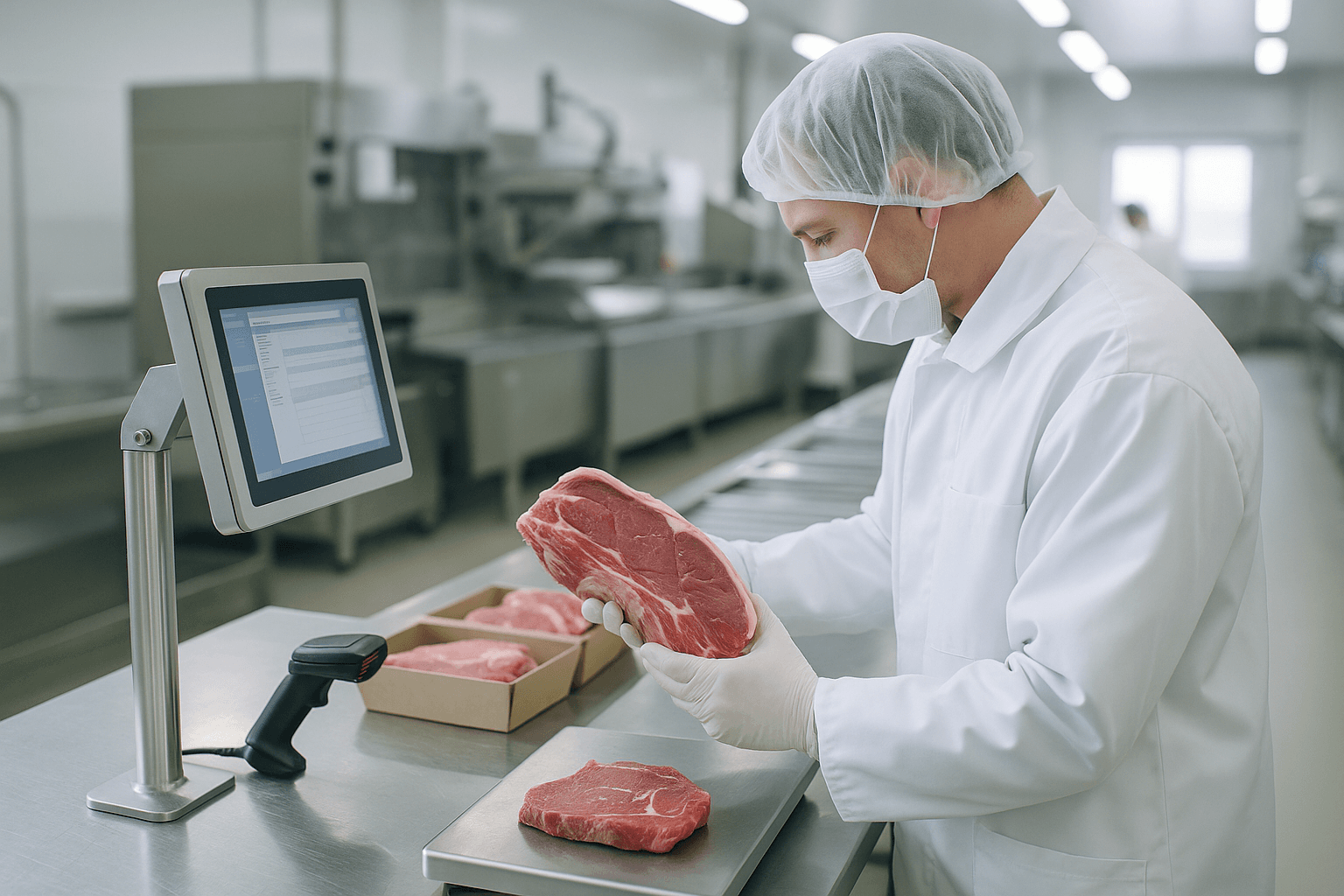
Navigating the Future of Meat Processing: Industry News and Regulatory Updates for 2026
Setting the Scene: The Critical Role of Meat Processing in the Food Supply Chain As we enter a new year, the importance of the meat processing sector within the food supply chain continues to rise. The beginning of January often marks a renewed focus on quality, efficiency, and regulatory compliance—topics that impact every link in the chain, from wholesale buyers and food distributors to retail butchers and institutional kitchen managers. For a company like Fridau, whose expertise is rooted in both the sale and processing of meat, staying on top of evolving industry standards and regulatory developments is not just a duty—it’s a commitment to ensuring safe, high-quality products reach customers reliably and sustainably. The Ever-Changing Landscape of Meat Processing Regulations Understanding Today’s Regulatory Environment The meat processing industry is perhaps one of the most rigorously regulated sectors in the food world. After all, the safety of animal-based foods is a top concern for both consumers and public health authorities. In the European Union, as elsewhere globally, the legal framework governing meat processing is shaped by a complex array of food safety acts, environmental standards, animal welfare directives, and trade compliance guidelines. 2026 is already shaping up to be a pivotal year. The new EU Hygiene Package, for example, tightens requirements for traceability and cross-contamination prevention at every step in the processing pipeline. Similarly, the sustainability-focused amendments to the Farm to Fork Strategy are likely to result in stricter documentation and accountability for waste management and packaging materials. Key Regulatory Changes Every Meat Processor Must Watch in 2026 1. Enhanced Traceability Protocols: Digital recordkeeping is now a necessity, not a luxury. Updated EU regulations require real-time tracking of meat batches from slaughter through to the retail counter, using digital barcodes and blockchain technology. For Fridau, this means expanding its use of integrated data systems to guarantee every cut of meat can be traced back to its source. 2. New Hygiene Standards: The pressure to uphold impeccable hygiene in meat processing facilities has grown. Revised regulations mandate more frequent sanitation cycles and the adoption of state-of-the-art disinfectant technologies. Retailers and institutional buyers should expect even higher guarantees of product safety and cleanliness than before. 3. Environmental Accountability: Packaging choices are under the microscope. With a sharp push towards sustainability, regulations now require the majority of meat packaging to be recyclable or biodegradable by 2026. Firms caught using outdated plastic films or polystyrene trays risk penalties—and reputational damage. 4. Animal Welfare and Ethical Sourcing: Increasingly strict controls are being enforced concerning the humane treatment of livestock. From approved slaughter methods to the documentation of animal handling in transit, oversight is expanding. Buyers and distributors aligned with these values will be well-positioned to meet new market expectations. The Impact on Wholesale Buyers, Retailers, and Food Service Providers How Compliance Drives Competitive Advantage Staying compliant with evolving standards is non-negotiable. Wholesale buyers, meat distributors, grocery chains, and food service providers must now partner with suppliers who can demonstrate stringent adherence to all current regulations. Working with a processor like Fridau means assured transparency, as each product is documented and managed according to the latest rules. This reliability is not only a matter of legal necessity—it’s a source of market differentiation. Institutional kitchens, from hospitals to schools, are increasingly required to certify the traceability and hygiene credentials of their meat suppliers. Restaurants, too, depend on these assurances to maintain trust with discerning guests. What Retailers and Butchers Can Expect Retailers and specialty meat shops will see additional support from processors who have invested in updated hygiene and data systems. The ability to rapidly provide traceability reports, digital hygiene logs, and sustainability certificates builds confidence with end customers and can fuel brand loyalty. Furthermore, compliance with new packaging standards ensures retailers are ahead of future bans and fees related to non-sustainable materials, helping them stay profitable and future-ready. Keeping Up with Industry Standards: Best Practices for 2026 Building a Culture of Continuous Regulatory Awareness For meat processing professionals, ongoing education is essential. Teams at every level should undergo frequent, targeted training sessions addressing the new regulatory requirements. From floor supervisors to logistics managers, every role must champion food safety and compliance. Adopting Technology for Automated Compliance Actionable steps include: Implementing Real-time Data Capture: Integrate systems capable of automatic temperature and hygiene monitoring, with records accessible to auditors and partners in real time. Investing in Blockchain Traceability: Secure, transparent, and tamper-proof documentation of every meat product’s journey can greatly streamline recall management and customer inquiries. Sustainability Audits: Regularly review packaging material sourcing, waste management workflows, and supply chain partners to ensure consistency with new environmental targets. Communicating Compliance to Buyers and Partners Transparency is more than a marketing slogan; it’s a business requirement. Proactively communicating certifications, audit outcomes, and compliance updates reassures wholesale buyers and distributors. Fridau, for example, works closely with its partners, offering real-time compliance dashboards and regular updates on both regulatory shifts and company achievements. Predictions: The Future of Meat Processing Standards The Growing Role of Certifications Labels like “Certified Sustainable,” “Animal Welfare Approved,” or “Full Supply Chain Traceability” will increasingly move from niche to norm. Meat product manufacturers and butchers alike should prepare for these certifications to be a default customer expectation by the end of the decade. Automation as a Compliance Tool The drive to digitize and automate compliance processes will accelerate. Future processing lines may feature integrated sensors, automated cleaning systems, and digital “audit trails” connecting every box, cut, or package to a compliance record in the cloud. Fridau’s Commitment to Excellence in 2026 and Beyond Even without exhaustive detail on every service offered, Fridau’s reputation rests on a steadfast commitment to quality and compliance. As regulations evolve, so too do the systems and processes at Fridau. The company partners with wholesale and retail buyers, food service professionals, and institutional kitchens to guarantee each product meets—and exceeds—the latest industry standards for safety, traceability, and sustainability. Your Voice Matters: Share Your Perspective Staying ahead of industry regulations is a shared journey. At Fridau, we believe every partner in the food supply chain, from distributor to chef, has a unique perspective on how best practices are implemented and improved. How are new meat processing regulations impacting your business operations in 2026? What regulatory changes do you view as the most challenging or beneficial for your organization? We invite you to join the conversation—share your experiences and insights below, and let’s shape the future of safe, responsible meat processing together.

Navigating the Future of Meat Processing: Insights and Innovations
Introduction In the dynamic world of meat processing, staying abreast of industry news and regulatory updates is crucial for professionals dedicated to delivering quality products. As we approach the end of 2025, it's essential to reflect on the year's developments and anticipate the trends that will shape the industry in 2026. This article delves into recent advancements, regulatory changes, and best practices in meat processing, providing valuable insights for wholesale meat buyers, retailers, food service providers, and other stakeholders. Evolving Regulatory Landscape Enhanced Food Safety Standards The past year has seen significant enhancements in food safety regulations. Regulatory bodies have introduced stricter guidelines to ensure the safety and quality of meat products. These changes emphasize the importance of comprehensive Hazard Analysis and Critical Control Points (HACCP) plans, regular audits, and transparent supply chain documentation. For instance, the U.S. Department of Agriculture (USDA) has implemented new protocols focusing on pathogen reduction and traceability, aiming to minimize foodborne illnesses and bolster consumer confidence. Sustainability and Environmental Compliance Sustainability has become a focal point in regulatory discussions. Governments worldwide are enforcing policies that encourage meat processors to adopt environmentally friendly practices. This includes reducing greenhouse gas emissions, optimizing water usage, and managing waste more effectively. Compliance with these regulations not only ensures legal adherence but also aligns with consumer preferences for sustainable products. Technological Innovations in Meat Processing Automation and Robotics The integration of automation and robotics has revolutionized meat processing operations. Advanced machinery now handles tasks such as cutting, deboning, and packaging with precision and efficiency. This technological shift addresses labor shortages, enhances product consistency, and improves workplace safety. Companies investing in these technologies are witnessing increased throughput and reduced operational costs. Blockchain for Traceability Blockchain technology is gaining traction as a tool for enhancing traceability in the meat supply chain. By providing a decentralized and immutable ledger, blockchain ensures that every step—from farm to table—is recorded and verifiable. This transparency is invaluable in quickly addressing recalls, verifying product origins, and building consumer trust. Best Practices for Compliance and Quality Assurance Regular Training and Education Continuous education is vital for staying compliant with evolving regulations. Implementing regular training programs for staff ensures that everyone is aware of the latest standards and best practices. This proactive approach minimizes errors and enhances overall product quality. Investment in Quality Control Systems Adopting robust quality control systems is essential for maintaining high standards. Utilizing technologies such as real-time monitoring sensors and data analytics helps in identifying and addressing potential issues promptly. These systems not only ensure compliance but also contribute to operational efficiency. Looking Ahead: Trends for 2026 Increased Focus on Alternative Proteins The rise of plant-based and lab-grown meats is influencing traditional meat processors to diversify their product offerings. Staying informed about this trend and exploring partnerships or product development in this area can open new revenue streams and meet changing consumer demands. Strengthening Supply Chain Resilience The disruptions experienced in recent years have highlighted the need for resilient supply chains. Investing in diversified sourcing, local partnerships, and advanced logistics planning will be crucial in mitigating future risks and ensuring consistent product availability. Conclusion As the meat processing industry continues to evolve, staying informed about regulatory changes and technological advancements is imperative. By embracing innovation, adhering to best practices, and anticipating future trends, professionals can navigate the complexities of the industry and continue to deliver high-quality products to their customers. Call to Action: Stay ahead in the meat processing industry by subscribing to our newsletter for the latest updates and insights. How is your organization preparing for the upcoming changes in meat processing regulations and technologies? Share your thoughts and strategies with us.
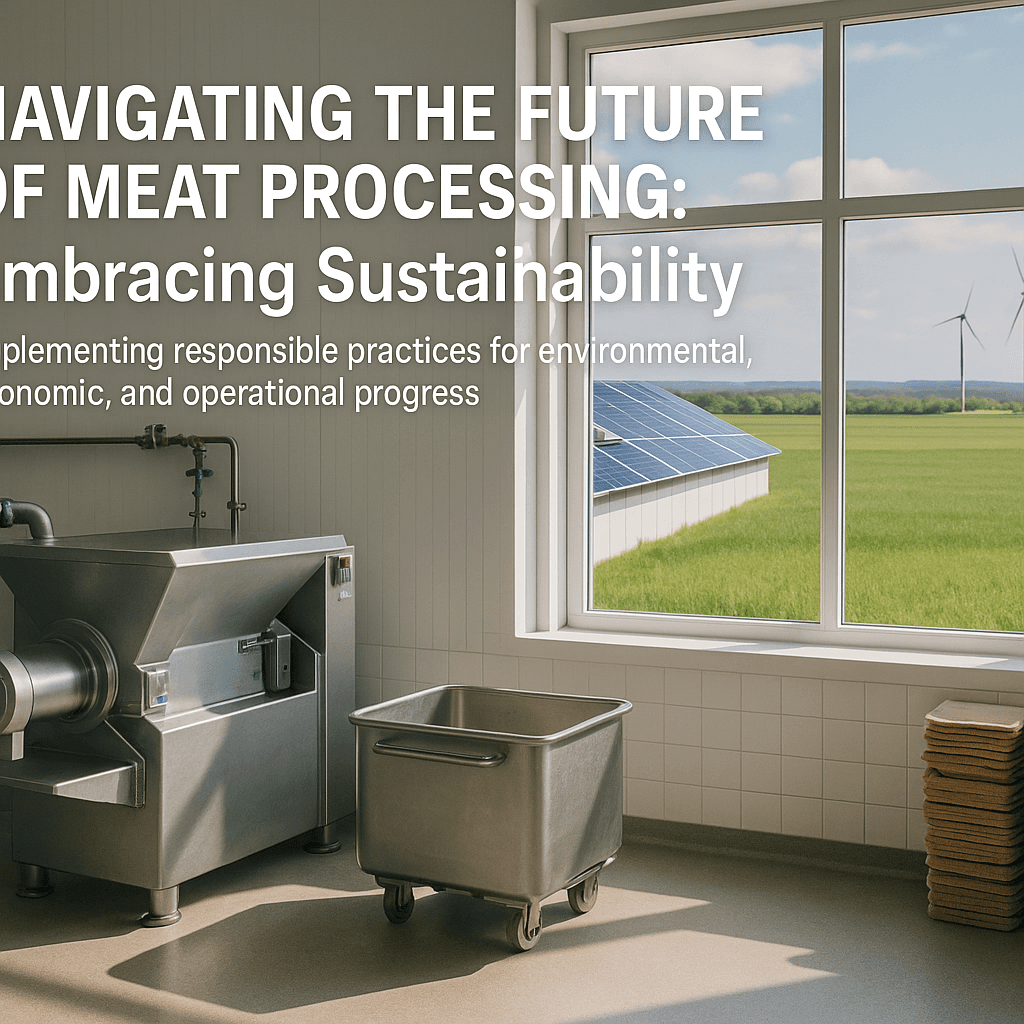
Navigating the Future of Meat Processing: Embracing Sustainability in the Industry
Introduction In the ever-evolving landscape of the meat processing industry, sustainability has emerged as a pivotal focus. As professionals dedicated to delivering quality meat products, understanding and implementing sustainable practices is not just a trend—it's a responsibility. This article delves into the significance of sustainability in meat processing, offering insights and actionable strategies for industry professionals. The Imperative for Sustainability in Meat Processing The meat processing sector plays a crucial role in the global food supply chain. However, it also faces scrutiny due to its environmental impact, resource consumption, and waste generation. Embracing sustainability addresses these concerns and offers numerous benefits: Environmental Responsibility: Reducing greenhouse gas emissions, conserving water, and minimizing waste contribute to a healthier planet. Economic Efficiency: Sustainable practices often lead to cost savings through energy efficiency and waste reduction. Market Competitiveness: Consumers and businesses increasingly prefer products from environmentally responsible sources. Regulatory Compliance: Adhering to evolving environmental regulations ensures smooth operations and avoids potential penalties. Key Sustainable Practices in Meat Processing 1. Energy Efficiency Implementing energy-efficient technologies and practices can significantly reduce the carbon footprint of meat processing facilities. Strategies include: Upgrading Equipment: Investing in modern, energy-efficient machinery reduces energy consumption. Renewable Energy Sources: Utilizing solar or wind energy decreases reliance on fossil fuels. Process Optimization: Streamlining operations to minimize energy use without compromising productivity. 2. Water Conservation Water is a vital resource in meat processing. Sustainable water management involves: Efficient Usage: Implementing water-saving technologies and practices. Recycling and Reuse: Treating and reusing water within the facility reduces overall consumption. Wastewater Treatment: Properly treating wastewater before discharge protects local ecosystems. 3. Waste Reduction and Management Minimizing waste not only benefits the environment but also enhances operational efficiency: By-Product Utilization: Finding markets for by-products reduces waste and creates additional revenue streams. Composting: Organic waste can be composted and used as fertilizer. Packaging Innovations: Using biodegradable or recyclable packaging materials reduces environmental impact. 4. Sustainable Sourcing Ensuring that raw materials come from sustainable sources is fundamental: Ethical Sourcing: Partnering with suppliers who adhere to sustainable and humane practices. Traceability: Implementing systems to trace the origin of meat products ensures transparency and accountability. Case Studies: Leading by Example Fridevi: Pioneering Sustainability in Patagonia Fridevi, a prominent meat processing company in Patagonia, has integrated sustainability into its core operations. The company has established permanent links with international markets, including Europe, Japan, and China, showcasing its commitment to sustainable practices. Fridevi's modern feedlot, with a capacity of 7,000 animals, ensures a steady supply while adhering to environmental standards. Additionally, the company has developed logistics to carry out shipments efficiently, reducing the carbon footprint associated with transportation. (fridevi.com.ar) Friesla: Empowering Local Meat Processing Friesla offers USDA-compliant Modular Meat Processing Systems, enabling farmers and ranchers to process meat onsite. This approach reduces transportation emissions and supports local economies. Their systems encompass harvest, aging, cutting, packaging, and frozen storage, providing a comprehensive solution for sustainable meat processing. (friesla.com) Implementing Sustainability: A Step-by-Step Guide Assessment: Evaluate current operations to identify areas for improvement. Goal Setting: Define clear, measurable sustainability objectives. Strategy Development: Create a roadmap outlining the steps to achieve these goals. Implementation: Execute the plan, ensuring staff are trained and resources are allocated. Monitoring and Evaluation: Regularly assess progress and make necessary adjustments. Overcoming Challenges Transitioning to sustainable practices may present challenges such as initial investment costs and resistance to change. Addressing these involves: Education and Training: Informing staff about the benefits and methods of sustainable practices. Financial Planning: Exploring grants, incentives, and financing options to offset initial costs. Incremental Changes: Implementing changes gradually to manage costs and adaptation. The Future of Sustainable Meat Processing The trajectory of the meat processing industry is undeniably leaning towards sustainability. Innovations in technology, evolving consumer preferences, and regulatory pressures will continue to drive this shift. Staying ahead requires a proactive approach, embracing change, and committing to continuous improvement. Conclusion Sustainability in meat processing is not merely an option—it's an imperative. By adopting sustainable practices, industry professionals can ensure long-term viability, meet consumer demands, and contribute positively to the environment. The journey towards sustainability is ongoing, and every step taken brings us closer to a more responsible and prosperous future. Call to Action: We invite you to share your experiences and insights on implementing sustainable practices in meat processing. What challenges have you faced, and how have you overcome them? Your stories can inspire and guide others in the industry.

Navigating the Modern Meat Supply Chain: Best Practices in Meat Distribution for Wholesale and Food Service Buyers
Introduction: Rethinking Meat Distribution for a Dynamic Industry In the ever-evolving world of meat processing and butchery, the backbone of quality, safety, and efficiency rests upon the sophistication of the meat distribution process. On October 11, 2025, as global supply chains grow more complex and demand from discerning buyers rises, companies like Fridau intensify their efforts to deliver unparalleled service to wholesale meat buyers, retailers, restaurants, food service providers, and institutional buyers. The distribution of meat isn’t just about moving product from point A to point B—it’s about safeguarding quality, ensuring reliability, and building lasting trust in every link of the food chain. The Vital Role of Meat Distribution in Today’s Market Distribution sits at the heart of the meat industry—serving as the critical connection between meat processors and the clients who rely on them. Wholesale buyers, specialty butchers, grocery stores, and restaurants depend on prompt, safe deliveries to keep shelves stocked and menus fresh. For Fridau, distribution isn’t simply logistics—it’s the lifeblood of business continuity and customer satisfaction. In an industry shaped by intricate regulations, rising demand for transparency, and the relentless pursuit of freshness, mastering the art of meat distribution is non-negotiable. Understanding the Meat Distribution Supply Chain The meat distribution chain involves much more than trucks and warehouses. Before a perfectly marbled steak graces a restaurant table or a cut of premium poultry reaches a family’s kitchen, it embarks on a tightly regulated journey: Sourcing & Processing: High-quality livestock, expertly handled and processed into various cuts. Packaging: Innovative methods that balance shelf life, hygiene, and sustainability. Logistics & Cold Storage: Precise temperature management during storage and transit. Distribution: Timely, traceable movement tailored to wholesale and retail needs. Delivery & Traceability: Transparent tracking and assurance that every product meets strict standards from farm to plate. Throughout this journey, each handover brings risks and opportunities—requiring seamless coordination, real-time data insight, and a relentless commitment to quality. Best Practices for Effective Meat Distribution Fridau, like industry frontrunners, recognizes that best-in-class distribution hinges on vigilant process management and continual improvement. Here are proven strategies wholesale buyers, retailers, and food service professionals should seek in their distribution partners: 1. Prioritizing Cold Chain Integrity One temperature deviation can compromise an entire shipment. From ultra-modern refrigerated transport to real-time temperature monitoring systems, maintaining a perfectly controlled environment is the gold standard. Leaders in the field leverage smart sensors, instant alerts, and geo-fencing technologies, ensuring that meat products never stray from the optimal chilling or freezing window. 2. Embracing Digital Traceability Modern meat buyers demand transparency. Cutting-edge distributors provide unique batch codes, digital logs, and end-to-end tracking, enabling every customer—whether a supermarket chain or school cafeteria—to trace the origins and journey of their meat. This empowers both compliance with international regulations and consumer confidence. 3. Flexible, Scalable Logistics Wholesale clients and food distributors need partners that adapt to fluctuating order volumes, special requests, and urgent delivery windows. Fridau and its peers employ dynamic route planning, multi-temperature vehicles, and scalable infrastructure to meet each customer’s unique needs—whether it’s a weekly bulk shipment to a regional supplier or daily fresh deliveries to urban restaurants. 4. Compliance with Food Safety Regulations Food safety is the nonnegotiable bedrock of the industry. Distributors must operate within national and transnational frameworks like the EU’s General Food Law or the USDA’s FSIS standards. This includes certified sanitation procedures, sophisticated audit trails, and training for all handlers—from warehouse staff to drivers. 5. Sustainable and Ethical Distribution The modern marketplace values partners who take sustainability seriously. Today’s leading distributors invest in fuel-efficient fleet upgrades, eco-friendly packaging materials, and route optimization software that minimizes carbon emissions. By aligning with responsible partners, buyers not only meet growing consumer demand for ethical practices—they set new benchmarks for their own industries. Addressing Challenges: Resilience in the Face of Disruption Meat distribution professionals have confronted unprecedented hurdles—from global logistics breakdowns to pandemic-driven demand swings. The companies that thrived (and kept their customers thriving) shared key traits: robust contingency planning, multi-source supplier relationships, and a relentless focus on communication. Fridau routinely updates its crisis management procedures, ensuring clients receive clear guidance and reliable service regardless of external shocks. What Wholesale Buyers Should Expect from Their Distributors Whether operating a specialty meat shop or overseeing logistics for a hospital network, buyers should set high standards for their distribution partners. Beyond price and speed, the metrics that matter include: Proven track record for on-time, in-spec deliveries. Transparent recall and complaint resolution protocols. Valid certification for all relevant regulations and food safety requirements. Flexible, customer-centric support tailored to unique sector needs. Spotlight: Fridau’s Commitment to Distribution Excellence While Fridau’s specific methods remain closely held, its reputation is staked on delivering more than just product—it’s about trust, consistency, and partnership. By working hand-in-hand with clients to understand seasonal demands, regional preferences, and the strictest safety standards, Fridau positions itself as an indispensable ally in a competitive market. For buyers seeking long-term contracts and sustainable growth, there’s no substitute for a distribution partner that listens, adapts, and innovates. Future Trends: Where Meat Distribution Is Headed The future promises even greater integration of technology and service in meat distribution. Expect to see: Autonomous refrigeration vehicles. Blockchain-based supply chain verification. AI-driven predictive ordering and inventory management. Enhanced digital platforms for ordering, invoicing, and quality assurance. As these innovations become standard, forward-thinking companies like Fridau are already laying the groundwork to help their clients reap the benefits. Conclusion: The Power of Smart Meat Distribution In a sector as demanding—and rewarding—as meat processing and butchery, the quality of your distribution partnership often determines the success of your business. Wholesale meat buyers, restaurateurs, food distributors, and institutional purchasers all play a vital role in advancing industry standards. Companies like Fridau remain steadfast in their promise to deliver not just meat, but peace of mind, reliability, and shared progress. For every business along the food chain, partnering with a distributor who understands your needs and rises to every challenge is the surest path to success. Ready to unlock new levels of efficiency, safety, and satisfaction in your meat supply chain? Connect with Fridau today and experience the future of meat distribution. How is your organization preparing to elevate its meat distribution standards, and what challenges are you eager to overcome in partnership with your suppliers?

Navigating the Evolving Landscape of Meat Processing Regulations: A Guide for Industry Professionals
Introduction In the dynamic world of meat processing, staying abreast of regulatory changes is not just a legal necessity but a cornerstone of operational excellence. For professionals in the meat processing and butchery industry, understanding and implementing these regulations ensures product safety, maintains consumer trust, and upholds the integrity of the food supply chain. This article delves into recent developments in meat processing regulations, offering insights and guidance to help industry stakeholders navigate this complex terrain. The Federal Meat Inspection Act: A Historical Perspective The foundation of meat processing regulations in the United States is the Federal Meat Inspection Act (FMIA) of 1906. This landmark legislation was enacted to prevent adulterated or misbranded meat and meat products from being sold as food, ensuring that meat products are slaughtered and processed under strictly regulated sanitary conditions. The FMIA mandates that all meat sold commercially be inspected and passed to ensure it is safe, wholesome, and properly labeled. (en.wikipedia.org) Recent Regulatory Developments Enhanced Inspection Protocols The Food Safety and Inspection Service (FSIS), an agency of the U.S. Department of Agriculture (USDA), has intensified its inspection protocols to bolster food safety. FSIS employs over 9,000 in-plant and frontline personnel who oversee more than 6,900 federally inspected establishments. These inspectors conduct carcass-by-carcass examinations, enforce sanitary processing standards, and ensure compliance with the Humane Methods of Slaughter Act. (en.wikipedia.org) Stricter Labeling Requirements Accurate labeling is paramount in the meat industry. The USDA has proposed new rules stipulating that "Made in the USA" or "Product of USA" labels on meat, poultry, and eggs should only apply to products from animals born, raised, slaughtered, and processed in the United States. This change aims to correct the current policy allowing such labels for imported animals that are merely processed in the U.S., aligning labels more closely with consumer expectations. (apnews.com) Organic Standards Reinforcement For producers aiming to label their products as organic, the USDA has introduced the Organic Livestock and Poultry Standards. These standards mandate year-round outdoor access for poultry and livestock, specific outdoor space and density requirements, and humane living conditions and transport for animals. Producers have one year to comply, with additional time provided for certain poultry operations. (apnews.com) Implications for Meat Processing Professionals Compliance and Operational Adjustments Adhering to these evolving regulations necessitates operational adjustments. Facilities must ensure that their processing lines, labeling practices, and animal handling procedures align with the latest standards. This may involve investing in new equipment, retraining staff, and revising standard operating procedures. Documentation and Record-Keeping Robust documentation is essential. Maintaining detailed records of processing activities, inspections, and compliance measures not only facilitates regulatory adherence but also serves as a safeguard in the event of audits or investigations. Continuous Education and Training The regulatory landscape is continually evolving. Ongoing education and training programs for staff at all levels are crucial to ensure that everyone is informed about the latest requirements and best practices. The Role of Industry Collaboration Collaboration within the industry can ease the burden of compliance. Engaging with industry associations, participating in workshops, and sharing best practices with peers can provide valuable insights and support. Conclusion Navigating the complexities of meat processing regulations is a formidable task, but it is integral to the success and sustainability of the industry. By staying informed, investing in compliance measures, and fostering a culture of continuous improvement, meat processing professionals can not only meet regulatory requirements but also enhance product quality and consumer trust. Call to Action: We invite you to share your experiences and strategies in adapting to these regulatory changes. How has your organization navigated recent updates in meat processing regulations? Your insights can foster a collaborative environment that benefits the entire industry.

Navigating the Evolving Landscape of Meat Processing: Key Industry Updates for 2025
The meat processing industry stands at a pivotal juncture, shaped by technological advancements, regulatory shifts, and evolving consumer preferences. For professionals engaged in slaughtering, butchering, packaging, and distributing meat products, staying informed is paramount. This article delves into the latest industry news and updates, offering insights to help you navigate the complexities of today's meat processing sector. Accelerated Processing Speeds: Balancing Efficiency and Safety In March 2025, the U.S. Department of Agriculture (USDA) announced plans to permanently allow poultry and pork processing plants to operate at increased line speeds. This decision enables chicken plants to process up to 175 birds per minute, up from the previous limit of 140. While this move aims to enhance operational efficiency, it has sparked concerns regarding worker health and food safety. Advocacy groups highlight potential risks, including increased stress injuries and contamination. It's crucial for industry professionals to implement robust safety protocols and ensure that efficiency gains do not compromise worker well-being or product quality. (reuters.com) Technological Innovations: Enhancing Safety and Transparency The integration of advanced technologies is revolutionizing meat processing. A notable development is the use of hyperspectral imaging to detect foreign objects on pork belly meat. This technology captures data across various near-infrared spectrum bands, enabling accurate identification of contaminants that traditional visual inspections might miss. Implementing such innovations can significantly enhance food safety and product integrity. (arxiv.org) Additionally, the adoption of collaborative robots (cobots) is transforming processing lines. These robots work alongside human workers, performing tasks such as cutting and packaging. Equipped with safety and transparency frameworks, cobots can halt operations if a human comes too close, ensuring a safe working environment. Embracing such technologies can address labor shortages and improve operational efficiency. (arxiv.org) Regulatory Updates: Strengthening Traceability and Compliance In 2025, the USDA's Animal and Plant Health Inspection Service (APHIS) began offering free electronic identification (EID) ear tags to cattle producers. These tags support the Animal Disease Traceability (ADT) program, enhancing the ability to track livestock during interstate movement. For meat processors, this development offers a stronger foundation for trace-back and disease control, ensuring compliance with evolving traceability standards. (carlisletechnology.com) Furthermore, the Food Safety and Inspection Service (FSIS) released updated Salmonella performance data for raw poultry establishments. These updates re-categorize plants based on testing results and national performance benchmarks. Processors with sub-par performance may face increased regulatory scrutiny, emphasizing the need for stringent pathogen controls and continuous monitoring. (carlisletechnology.com) Market Dynamics: Growth Amidst Challenges The meat processing equipment market is projected to grow steadily, reaching an estimated USD 12.5 billion by 2035. This growth is driven by rising demand for processed meat products and advancements in processing technologies. However, challenges such as labor shortages and the need for sustainable practices persist. Investing in automation and sustainable solutions can position companies for long-term success. (globalfoodindustrywatch.com) Sustainability Initiatives: Meeting Consumer Expectations Sustainability remains a focal point in the meat industry. Companies are investing in sustainable farming practices to reduce environmental impact and meet consumer demand for ethically sourced products. Initiatives include precision livestock farming, which utilizes IoT-enabled sensors and AI-driven monitoring to improve efficiency and animal welfare. Additionally, blockchain technology is being adopted to ensure transparency and traceability in meat production, helping retailers verify sourcing claims and combat food fraud. (essfeed.com) Conclusion: Embracing Change for a Resilient Future The meat processing industry is undergoing significant transformations, driven by technological innovations, regulatory changes, and shifting market dynamics. For professionals in this sector, staying informed and adaptable is essential. By embracing new technologies, adhering to updated regulations, and committing to sustainable practices, the industry can navigate these changes effectively. Call to Action: Stay ahead in the evolving meat processing landscape by subscribing to our newsletter for the latest industry insights and updates. What strategies is your organization implementing to adapt to these industry changes? Share your experiences and insights in the comments below.