
Introduction
In the dynamic world of meat processing, staying abreast of industry news and regulatory updates is crucial for professionals dedicated to delivering quality products. As we approach the end of 2025, it's essential to reflect on the year's developments and anticipate the trends that will shape the industry in 2026. This article delves into recent advancements, regulatory changes, and best practices in meat processing, providing valuable insights for wholesale meat buyers, retailers, food service providers, and other stakeholders.
Evolving Regulatory Landscape
Enhanced Food Safety Standards
The past year has seen significant enhancements in food safety regulations. Regulatory bodies have introduced stricter guidelines to ensure the safety and quality of meat products. These changes emphasize the importance of comprehensive Hazard Analysis and Critical Control Points (HACCP) plans, regular audits, and transparent supply chain documentation. For instance, the U.S. Department of Agriculture (USDA) has implemented new protocols focusing on pathogen reduction and traceability, aiming to minimize foodborne illnesses and bolster consumer confidence.
Sustainability and Environmental Compliance
Sustainability has become a focal point in regulatory discussions. Governments worldwide are enforcing policies that encourage meat processors to adopt environmentally friendly practices. This includes reducing greenhouse gas emissions, optimizing water usage, and managing waste more effectively. Compliance with these regulations not only ensures legal adherence but also aligns with consumer preferences for sustainable products.
Technological Innovations in Meat Processing
Automation and Robotics
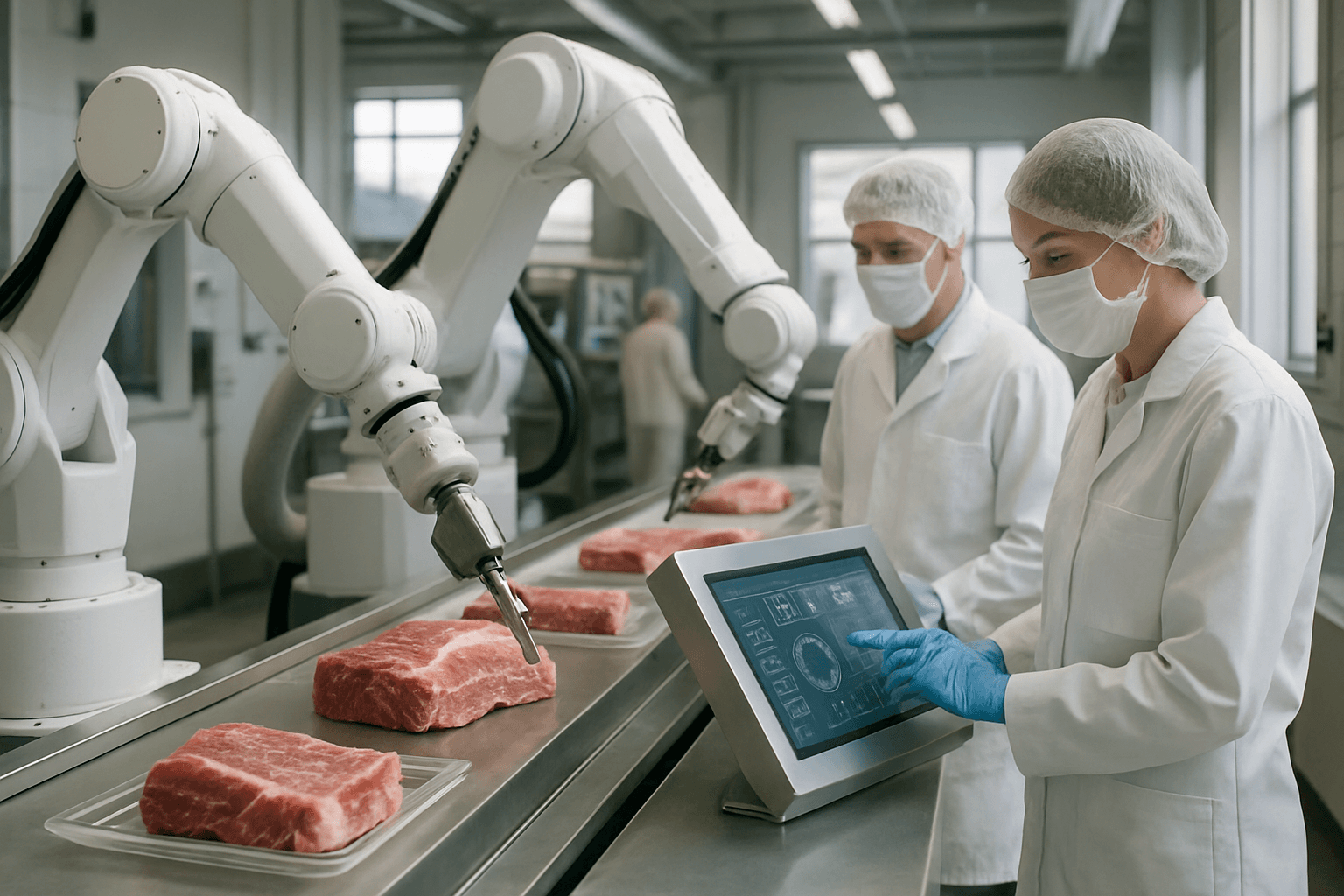
The integration of automation and robotics has revolutionized meat processing operations. Advanced machinery now handles tasks such as cutting, deboning, and packaging with precision and efficiency. This technological shift addresses labor shortages, enhances product consistency, and improves workplace safety. Companies investing in these technologies are witnessing increased throughput and reduced operational costs.
Blockchain for Traceability
Blockchain technology is gaining traction as a tool for enhancing traceability in the meat supply chain. By providing a decentralized and immutable ledger, blockchain ensures that every step—from farm to table—is recorded and verifiable. This transparency is invaluable in quickly addressing recalls, verifying product origins, and building consumer trust.
Best Practices for Compliance and Quality Assurance
Regular Training and Education
Continuous education is vital for staying compliant with evolving regulations. Implementing regular training programs for staff ensures that everyone is aware of the latest standards and best practices. This proactive approach minimizes errors and enhances overall product quality.
Investment in Quality Control Systems
Adopting robust quality control systems is essential for maintaining high standards. Utilizing technologies such as real-time monitoring sensors and data analytics helps in identifying and addressing potential issues promptly. These systems not only ensure compliance but also contribute to operational efficiency.
Looking Ahead: Trends for 2026
Increased Focus on Alternative Proteins
The rise of plant-based and lab-grown meats is influencing traditional meat processors to diversify their product offerings. Staying informed about this trend and exploring partnerships or product development in this area can open new revenue streams and meet changing consumer demands.
Strengthening Supply Chain Resilience
The disruptions experienced in recent years have highlighted the need for resilient supply chains. Investing in diversified sourcing, local partnerships, and advanced logistics planning will be crucial in mitigating future risks and ensuring consistent product availability.
Conclusion
As the meat processing industry continues to evolve, staying informed about regulatory changes and technological advancements is imperative. By embracing innovation, adhering to best practices, and anticipating future trends, professionals can navigate the complexities of the industry and continue to deliver high-quality products to their customers.
Call to Action: Stay ahead in the meat processing industry by subscribing to our newsletter for the latest updates and insights. How is your organization preparing for the upcoming changes in meat processing regulations and technologies? Share your thoughts and strategies with us.